
Activepieces Review 2026: The Open-Source Zapier Alternative That Now Sells Itself as a Governed AI Workspace, Billed in Credits
Correction, Oct 3, 2026: an earlier version gave the Launch HN thread 21 comments; Hacker News records 62.
The README still calls Activepieces "an open source replacement for Zapier", and the MIT core is real: about 24,900 GitHub stars, a release on Sep 30, 2026, and 760-plus open pieces. The website, though, now says "unify your team's AI" and sells Chat, Agents, Flows, Tables and an MCP server in one workspace, with a Free plan of 1,000 credits, Plus at $20 and Team at $200 flat a month, and AI steps that cost 2, 10 or 20 credits unless you bring your own key. This review checks what is true today against Activepieces' own pricing page, FAQ, docs and GitHub, adds what Trustpilot, Product Hunt and Hacker News say, and is blunt about the credit maths, the missing SOC 2 report and the agent audit-log gaps.
| Ownership | Independent; YC S22 per Launch HN; funding not verified |
| Free tier | Real: 1,000 credits, no card, one user; or self-host the MIT core |
| Cheapest paid plan | $20/mo Plus flat, 10,000 credits, up to 5 users |
| Open source | MIT core; 24,874 GitHub stars; enterprise folder is commercial |
| Trustpilot record | 4.3/5 as displayed, 131 reviews |
Activepieces is still the open-source answer to Zapier, but the company now sells it as a governed AI workspace, and the bill is counted in credits.
"The README still says 'an open source replacement for Zapier' and the MIT core is real. The website now says 'unify your team's AI'. If you want the free, self-hostable automation core with a huge pieces library, it is great. If you are buying the cloud, do the credit maths first, because AI steps cost 2, 10 or 20 times a plain run."
My honest read: Activepieces has three jobs. It is an automation builder (flows with a trigger and steps, loops, branches, retries, code, approvals) with 760-plus open-source pieces. It is an AI layer (agents you brief in plain words, a Chat that builds flows (beta), Tables, and a built-in MCP server so Claude or Cursor can build and run things). And it is a control plane for IT (projects, SSO, SCIM, audit logs, your own secret manager, air-gapped hosting). The core is MIT and free to self-host; the paid layer is the governance and the cloud. That combination is rare, and it is why I rate it above its rivals for teams who care where their data lives. This is a VERIFIED EDITORIAL REVIEW: Activepieces' pricing page and its FAQ data, docs, changelog, GitHub repository and API, license files and community sentiment were checked on Oct 3, 2026. I did not run a controlled hands-on test.
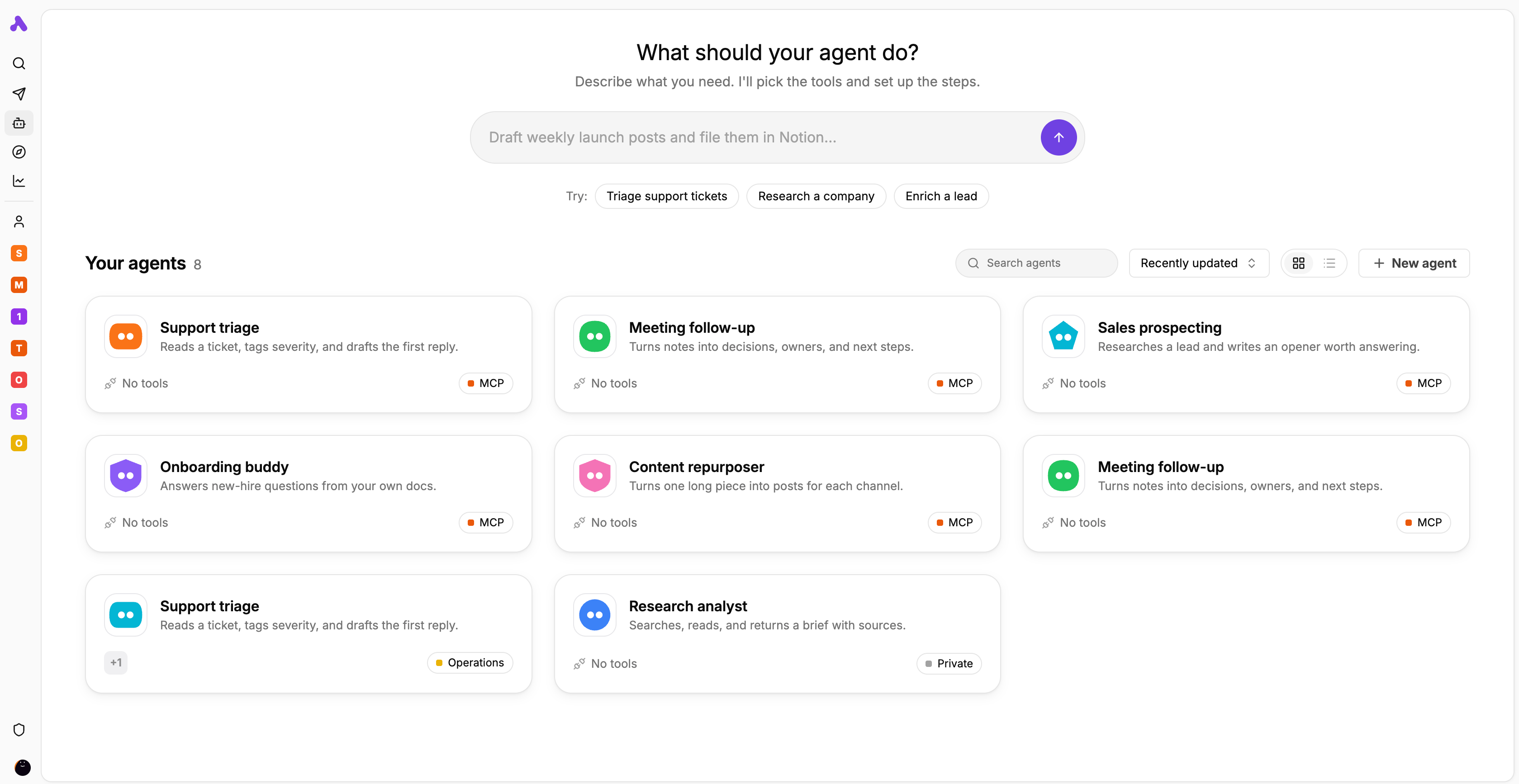
Flows, agents, tables and chat in one project-scoped workspace, on Activepieces Cloud or your own servers.
The docs describe it as "AI automation for teams, with governance and security built in", with three building blocks you can mix: Agents ("AI that does tasks using your apps"), Flows ("a trigger, then the steps you choose") and Tables ("your data, in rows and columns"). "An agent can call a flow, a flow can run an agent, and both can read and write the same tables." Everything lives in a project, which decides which connections, flows and files an agent can reach. Apps are called pieces: TypeScript npm packages, MIT-licensed, with 760-plus listed on the pricing page.
Ownership: Activepieces describes itself as an independent company and the Launch HN thread labels it "YC S22". I found no acquisition and no official funding figure on the pages I read, so none is cited. The homepage footer links a "Backed company" page that I did not read. If you are comparing with the other open-source platform in this space, JAVIS's n8n review covers its licence and pricing model.
A large open-source footprint and a steady release cadence, with commercial numbers that are mostly Activepieces' own.
GitHub data for activepieces/activepieces, Oct 3, 2026. Stars measure interest, not users. 4,291 forks; repo created Dec 2022.
Contributor count from GitHub, not deduplicated for bots.
88% five-star. Reviews are not users.
"Launch HN: Activepieces (YC S22) - Open-Source Zapier Alternative". Attention measure, not satisfaction.
| Date | Event | Source |
|---|---|---|
| 2022-12-03 | GitHub repository created | GitHub |
| 2023-02-09 | Launch HN: open-source Zapier alternative (YC S22), 231 points | Hacker News item 34723989 |
| 2025-04-02 | Show HN: "Largest Open Source MCP Repo (280)" | Hacker News item 43556900 |
| 2025-07-01 | Show HN: unlimited automation runs and agents launched | Hacker News item 44435189 |
| 2026-03-16 to 03-20 | Three published postmortems: infrastructure upgrade, delay-step infinite loop, Redis queue overload | docs.activepieces.com handbook |
| 2026-09-30 | Release 0.92.1 (engine fix restoring a piece-loading fix from 0.91.3) | GitHub releases API |
| 2026-10 | Homepage and pricing: "unify your team's AI", 760+ pieces, credit-based plans, Embed from $36k a year | activepieces.com |
Position, honestly: the repository is large and alive (pushed on the day I checked), the pieces ecosystem is genuinely open, and the company publishes incident postmortems, which I read as a transparency signal. What I could not verify is scale on the commercial side: the homepage cites customer stories such as Funding Societies (500-plus employees) and Alan, which are marketing, and the README still says "280+" MCP servers and "200+" pieces against the site's 760-plus, so the README is stale. For the larger closed-source incumbents see JAVIS's Zapier and Make reviews.
Warm sentiment on price, openness and support, with a recurring complaint about pricing changes and gaps in support.
Praise: it is a "Zapier alternative", pricing "is AMAZING! You pay $1 for 1000 tasks" (Jul 2025, before the current credit plans), "rare open-source project that seems to work pretty well" (Dec 2023), community support. Criticism: "Received no advance notice about substantial pricing changes... automatically moved without notification" (Jul 2025), "NO CUSTOMER SUPPORT if you have an issue on their end" (Jul 2025), and "some integrations are still being developed" (Sep 2024).
Reviewers praise the intuitive drag-and-drop interface, competitive pricing against incumbents, a responsive team (requests "added in just one day"), strong documentation and open-source transparency. Weak spots they name: fewer niche connectors and a smaller catalogue than Zapier or Make. A very small sample.
At launch a commenter asked whether the MIT licence would later shift to a source-available one; the repository is still MIT plus a commercial enterprise folder as of Oct 2026. In Oct 2025 commenters recommended it as an n8n alternative, one saying it "never did any bait and switch", a statement that predates the current credit plans. Another recommended it simply as "also an option".
Free with 1,000 credits, then $20 or $200 a month flat, with Ultimate, Embed and self-hosting on top.
Free
1,000 credits, unlimited flows, for one user.
- Chat to automation, Flows, Agents, Tables
- MCP and API access
- Community support
- Over quota: runs wait for the refresh
Plus
10,000 credits a month ("10x the Free plan"), up to 5 users.
- Bring your own AI keys
- Then pay as you go at $0.007 per credit
- Cloud or on-prem
- Community support
Team
50,000 credits a month, 25 users included, unlimited projects.
- SSO and standard roles
- Global connections
- Email support
- Overage $0.007 per credit
Ultimate
Credits sized to you, billed yearly.
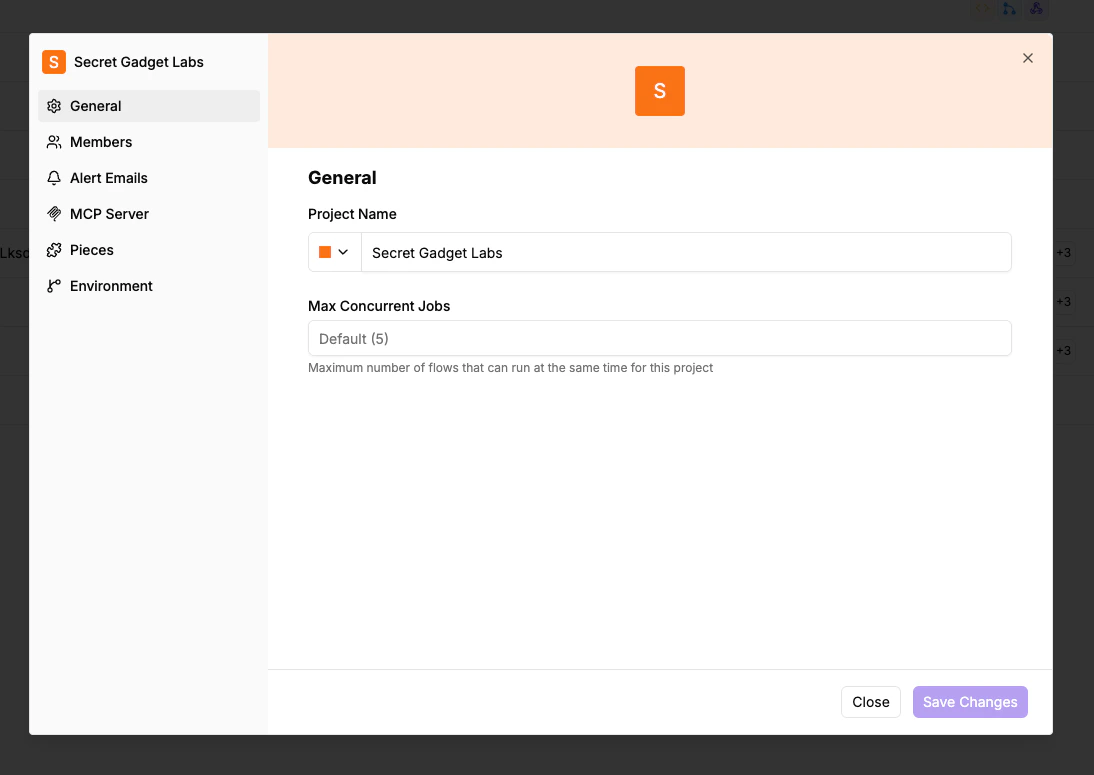
- SCIM, custom RBAC, audit logs, secret managers
- Releases and Git Sync, dedicated workers
- Execution priority, dedicated support
- Hosting on your own servers (cloud or on-prem)
| Plan | Price | Credits | Users | JAVIS arithmetic: included-credit price | Going over |
|---|---|---|---|---|---|
| Free | $0 | 1,000 (resets daily per the table) | Just you | $0 | Runs wait until the refresh |
| Plus | $20/mo | 10,000 a month | Up to 5 | $2.00 per 1,000 credits | $0.007 per credit |
| Team | $200/mo | 50,000 a month | 25 included | $4.00 per 1,000 credits | $0.007 per credit |
| Ultimate | Custom | Yearly pool, sized with you | Unlimited | Custom | Volume rates |
| Embed | From $36k a year | Not stated | Your customers | n/a | Talk to sales |
| Community Edition (self-hosted) | $0, MIT licence | n/a | Your servers | n/a | You pay your own infrastructure |
Two notes. Overage is $0.007 per credit, which is 3.5 times the Plus effective rate and 1.75 times the Team rate (JAVIS arithmetic). And embedding the builder in your own product starts at $36,000 a year, a different category from team plans. Check live pricing
Decide by where the data must live and how much AI sits inside your runs.
This is Activepieces' strongest argument. Self-host the MIT Community Edition and add a licence key only for enterprise features.
Compare entry prices in the Zapier and Make reviews. Activepieces' Free plan is 1,000 credits; Plus is $20 flat.
AI steps cost 2, 10 or 20 credits unless you bring your own key. Plan for BYOK on Plus or above.
Agents are in the product (and Chat builds flows in beta), but the docs say agents may "handle it differently" each time. Use flows for fixed procedures.
Not yet: the pricing FAQ says the program is "in progress", so it will not claim a certification it does not hold.
A flow is a trigger and steps; a piece is an open TypeScript package; an agent is a worker you brief.
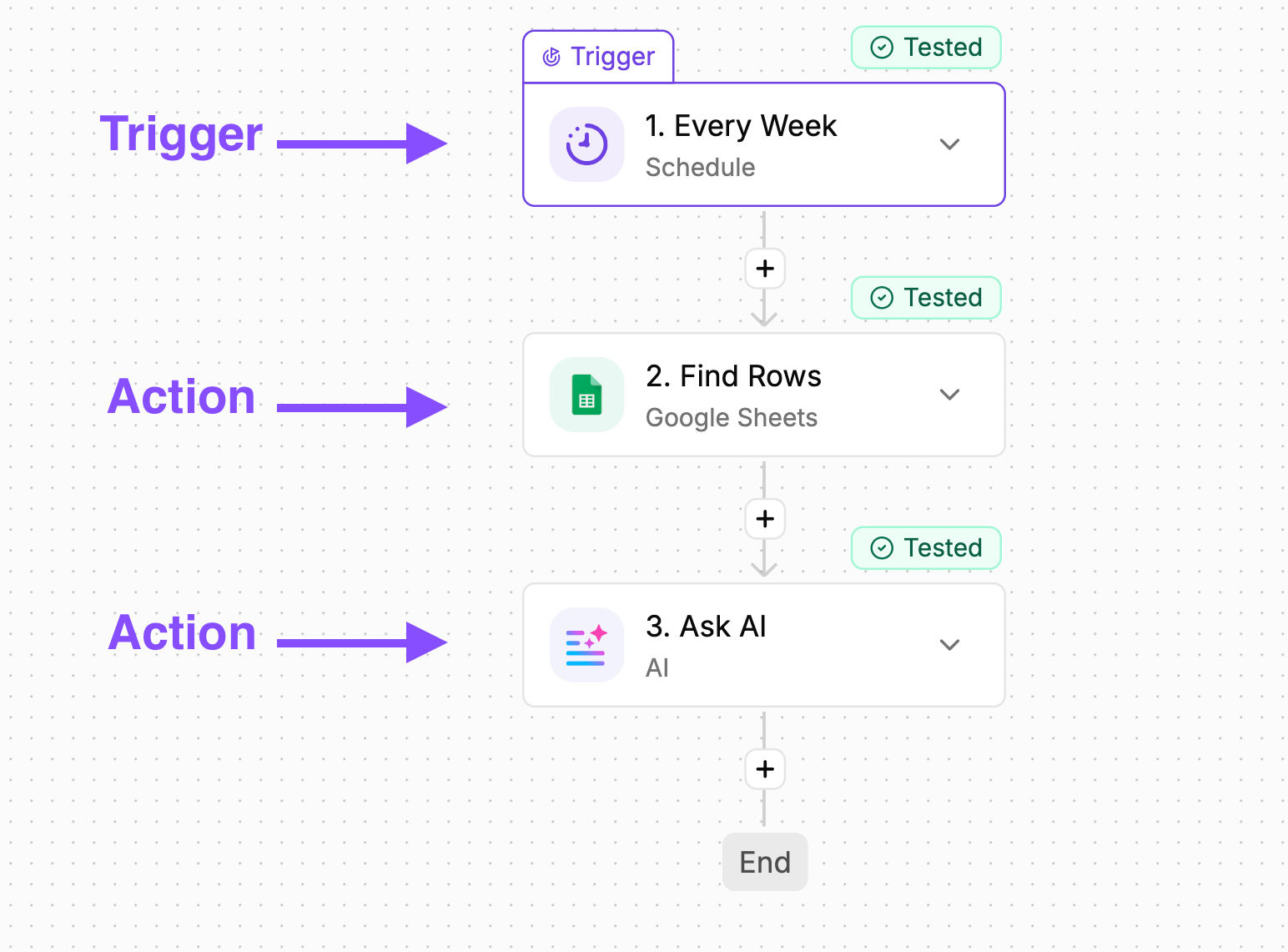
The builder is a canvas: one trigger, then actions. The README lists loops, branches, auto retries, HTTP, code with npm, "ASK AI in Code Piece", full versioning and customisable templates. The docs add waitpoints (a flow can pause for a webhook or a delay and resume with state intact), flow approvals (a publish-time review gate for projects marked Sensitive, an Enterprise or Cloud feature) and a template library. Anything with an API works through the HTTP piece or a webhook, and pieces are npm packages anyone can write; the README says about 60% of the pieces were community-contributed.
The newer layer is agents. The docs separate them clearly: in a flow "the logic is written down once", in an agent it is "worked out each run", so the same input twice "may handle it differently". An agent gets tools (single piece actions, your own flows, MCP servers), knowledge from your documents and tables, and can run as a step inside a flow. A good design hint from the docs: "build that part as a flow and hand it over. The agent chooses the moment. The flow guarantees the steps."
Activepieces' own quickstart, the fastest primary-source look at the builder described above.
Published by the official "Activepieces" YouTube channel. Vendor tutorial that pre-dates the Sep 2026 homepage and credit-plan redesign; the builder idea holds but some UI and pricing details will differ.
Describe it or draw it, test each step, publish, and let a worker run it with a checkpoint.
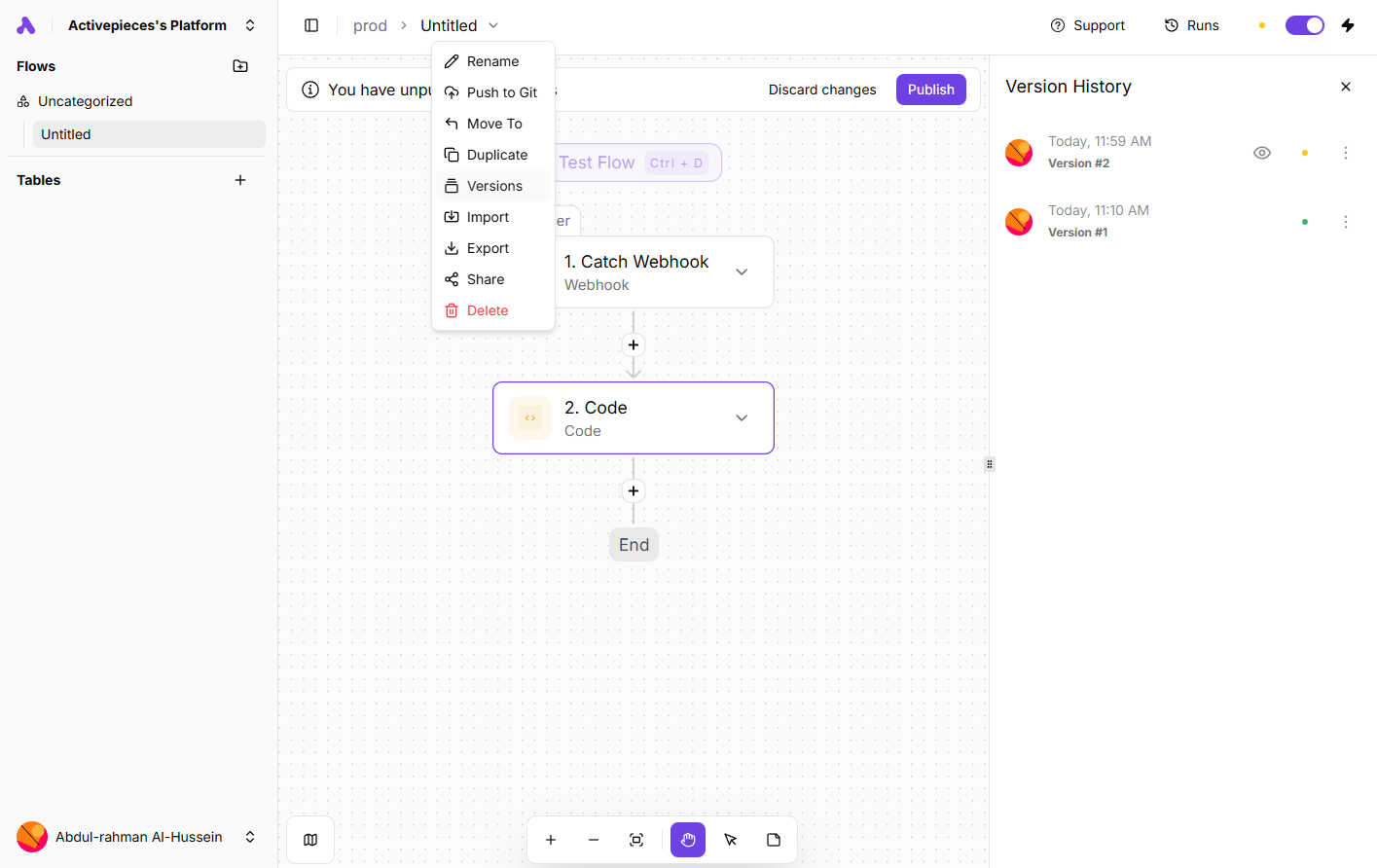
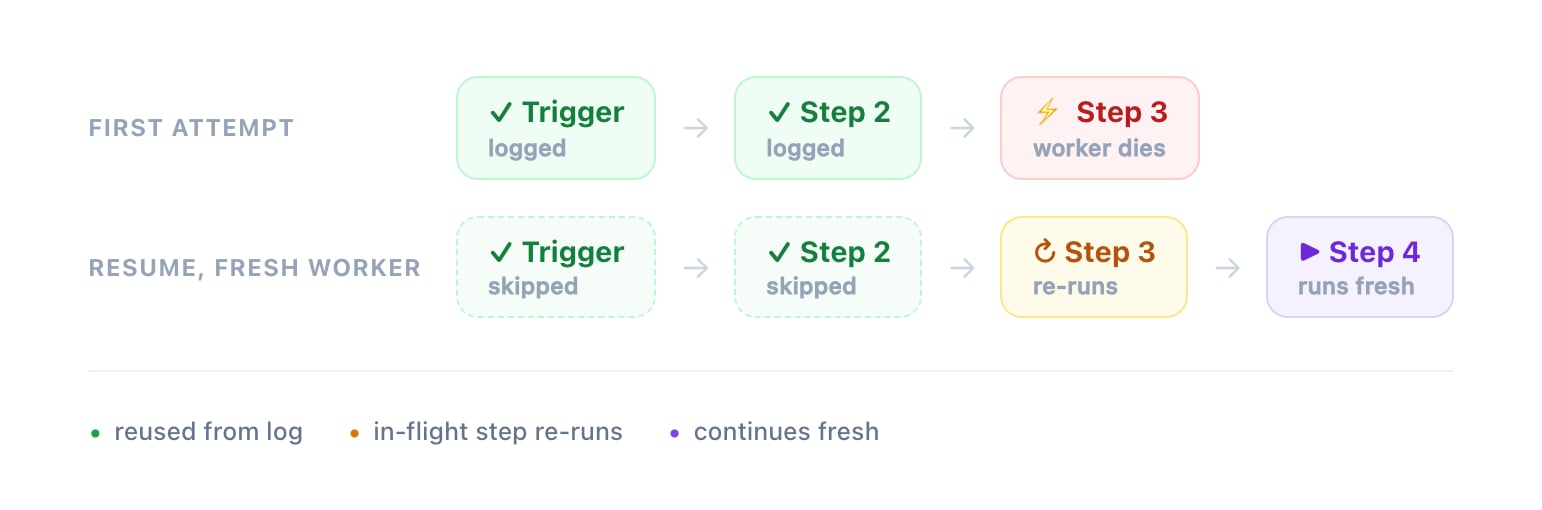
What I like here is the reliability story. Runs are durable: if a worker dies mid-flow, "completed work is never repeated, queued work is never dropped", and the run resumes from its last checkpoint. The docs show exactly what happens: logged steps are reused, the in-flight step re-runs, and later steps continue fresh. Note the consequence: a step that was in flight re-runs, so side effects on non-idempotent actions need care.
The open core runs from one Docker container to a Kubernetes fleet, with a published scaling model.
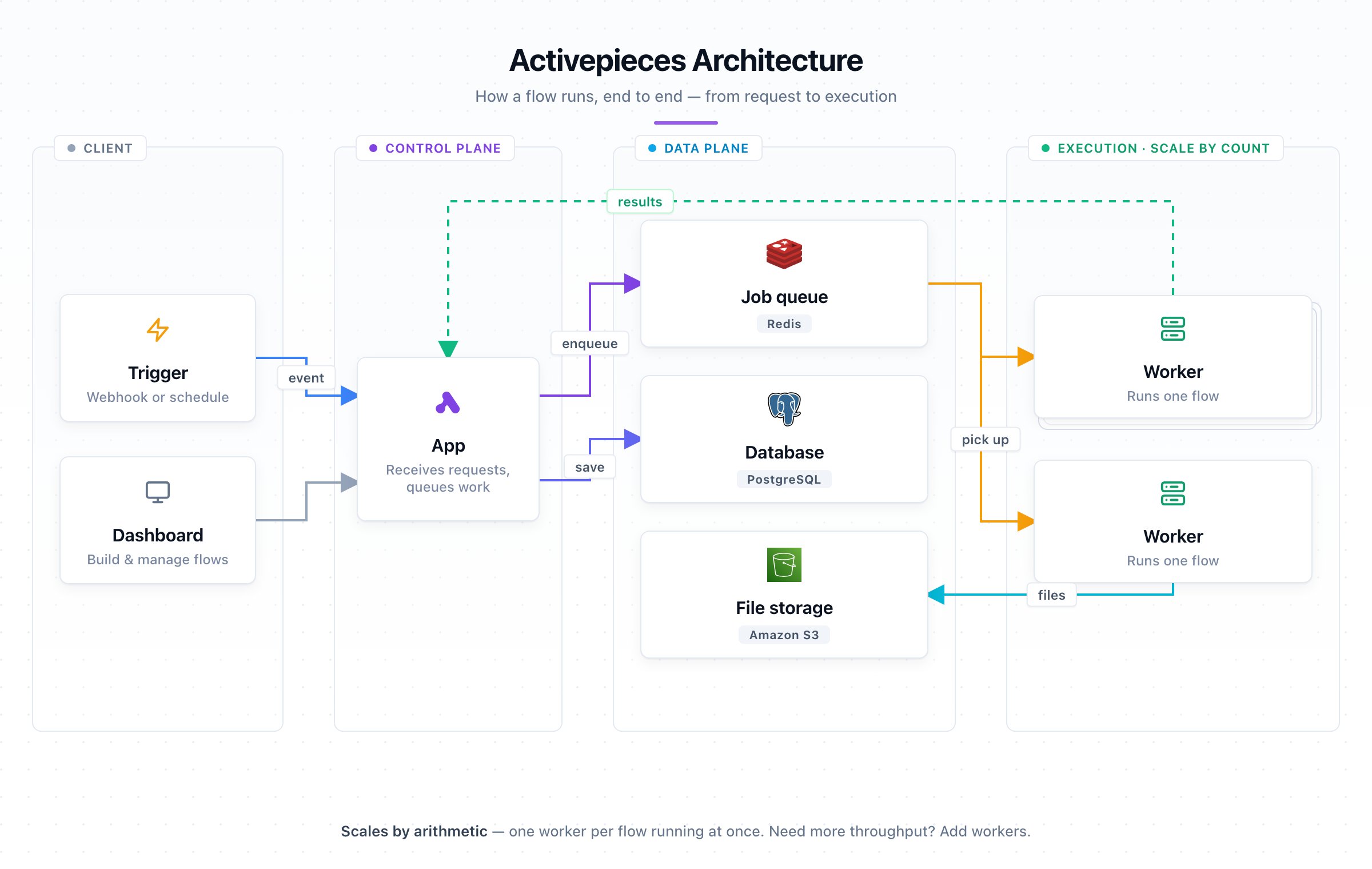
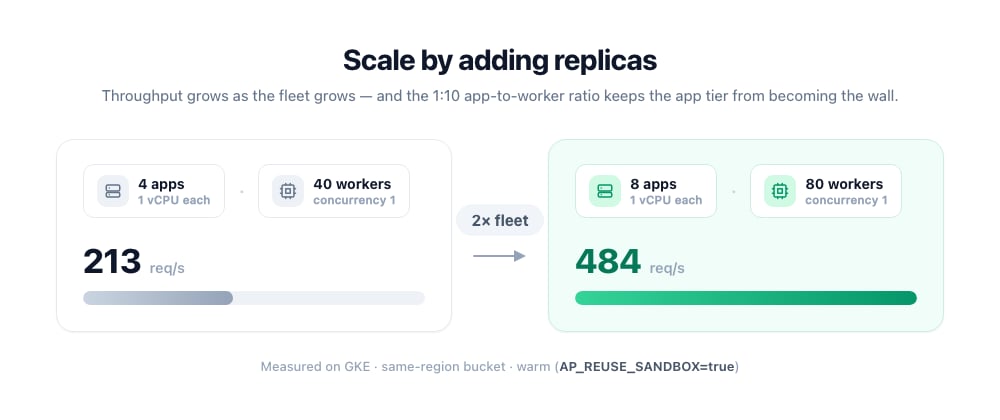
Install options in the docs run from a single-container "hobbyist" setup (embedded database, one machine, personal use) to Docker Compose with PostgreSQL and Redis, a Helm chart for Kubernetes, and one-click options on Railway, Elestio, Easypanel, AWS (Pulumi) and GCP. The production shape is an app tier, a Redis job queue, PostgreSQL, S3-compatible file storage, and workers that each "run one flow". Recommended worker size is 0.5 vCPU and 1 GB; the guideline is one app for every ten workers. The docs publish a benchmark: warm webhook throughput rising from 213 requests per second (4 apps, 40 workers) to 484 (8 apps, 80 workers) and up to 777 at 160 workers on GKE. Those are Activepieces' own measurements on its own infrastructure.
Self-hosting also means you own the operations. The docs' own postmortems (a delay-step infinite loop and Redis queue overload in March 2026) show the kind of problems a busy cluster can hit, and the breaking-changes page is the one to read before every upgrade: the 0.92.1 release note says "Upgrading a self-hosted instance? Review the Breaking Changes page". Network protection (AP_NETWORK_MODE=STRICT) is opt-in today, though the changelog says it will become opt-out later.
760-plus open pieces, any API through HTTP, and a built-in MCP server that works both ways.
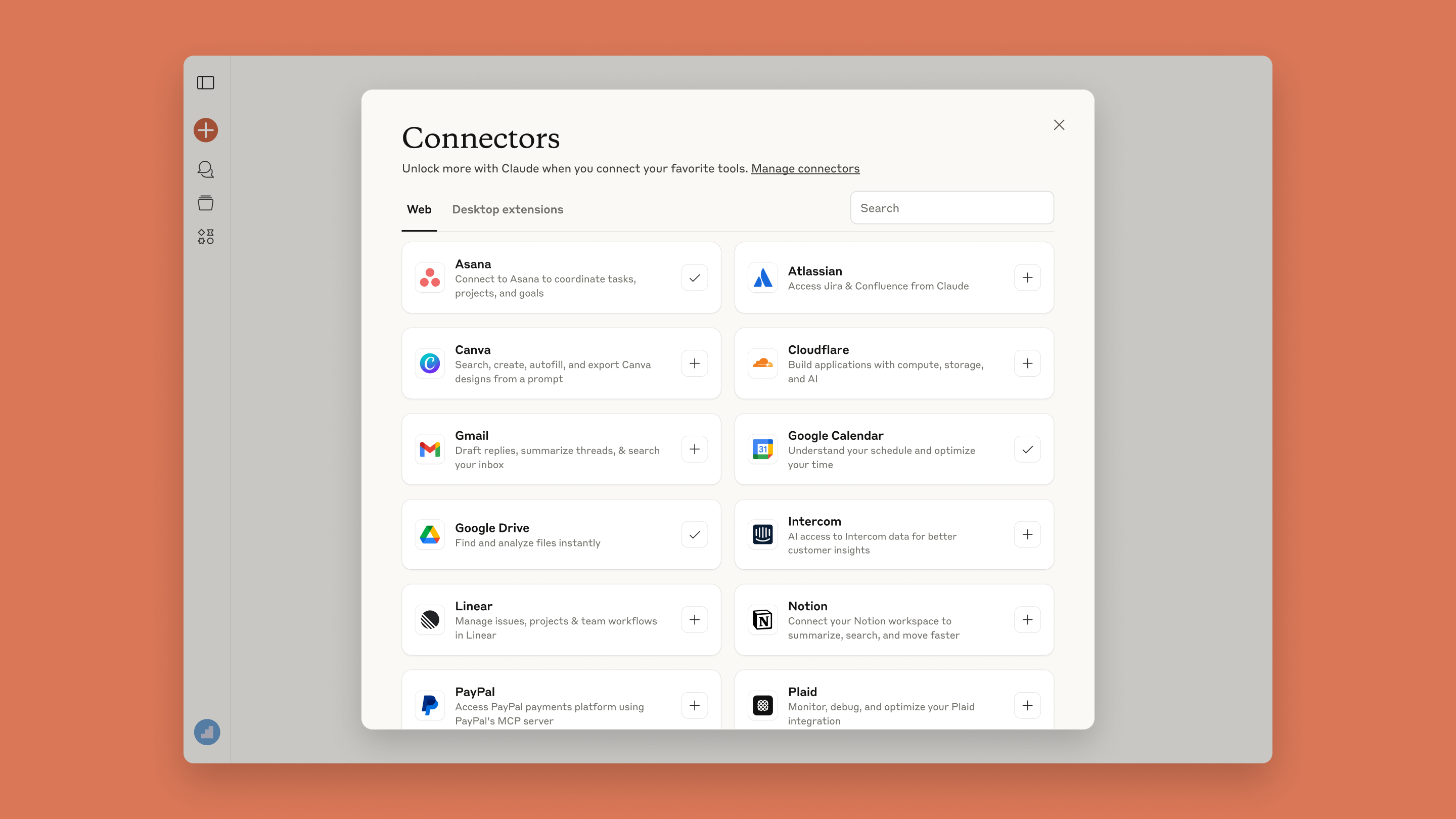
Pieces cover the usual suspects (Gmail, Slack, HubSpot, Notion, Salesforce, Stripe, Shopify, OpenAI and more); the pricing page counts "760+ integrations" and the homepage "760+ open-source pieces". Two directions matter for AI. First, agents can use any piece action as a tool, any of your own flows, and any external MCP server by URL (Streamable HTTP, SSE or plain HTTP). Second, Activepieces is an MCP server: switch it on in project settings and Claude, Cursor, Windsurf, Gemini CLI, Zed or Copilot can build flows, manage tables, check failed runs and search the action catalogue by describing the task. If MCP is new to you, JAVIS's Claude MCP and Connectors guide explains the idea.
| Integration path | What it does | Status as read |
|---|---|---|
| Pieces | 760+ open-source TypeScript integrations; community-contributed; you can write your own | Pricing page and homepage; README says 200+ and 280+ MCP, which is out of date |
| HTTP / webhook piece | Any REST or GraphQL API with auth and pagination handled | Homepage |
| Agent tools | Single piece actions, your flows, and external MCP servers | docs: Agent Tools |
| Activepieces MCP server | AI clients build and run flows and tables; OAuth sign-in; tool categories can be switched per project | docs: MCP Server |
| Tool search | ap_search_actions and ap_search_triggers find actions by plain-language task | Changelog; self-hosted needs AP_TOOL_SEARCH_ENABLED and an OpenAI key for semantic ranking |
| Piece catalogue controls | Admins choose which pieces the organisation can use at all | docs: Enterprise Control |
A run is one credit; AI steps are where the multiplier lives. Bring your own key to collapse it.
| What you are doing | Rule from Activepieces pricing FAQ | JAVIS arithmetic |
|---|---|---|
| A flow run | 1 credit "however many steps it has" | Plus covers 10,000 plain runs a month; Free covers 1,000 |
| An AI step on a fast model | 2 credits (AI sits on top of the run) | See worked example below |
| An AI step on a smart model | 10 credits | n/a |
| An AI step on a frontier model | 20 credits | At most about 500 per month on Plus before overage (ignores the 1-credit run charge) |
| An agentic action | 1 credit each | n/a |
| Your own AI provider keys (Plus and up) | Every AI step drops to 1 credit; model cost moves to your provider bill | A frontier AI step falls from 20 credits to 1, a 95% cut in credits (you now pay the provider) |
| Going over on a paid plan | $0.007 per credit | 3.5x the effective Plus rate |
| Running out on Free | Flows stay switched on; runs past quota do not go through until credits refresh | n/a |
| Worked example (assumption: run 1 credit plus AI step added) | A flow running 50 times a day (about 1,500 runs a month) with one frontier AI step | Without BYOK about 31,500 credits (21 per run), so Plus 10,000 plus 21,500 overage at $0.007 is about $170 a month. With BYOK about 3,000 credits (2 per run), inside Plus at $20 plus your provider bill |
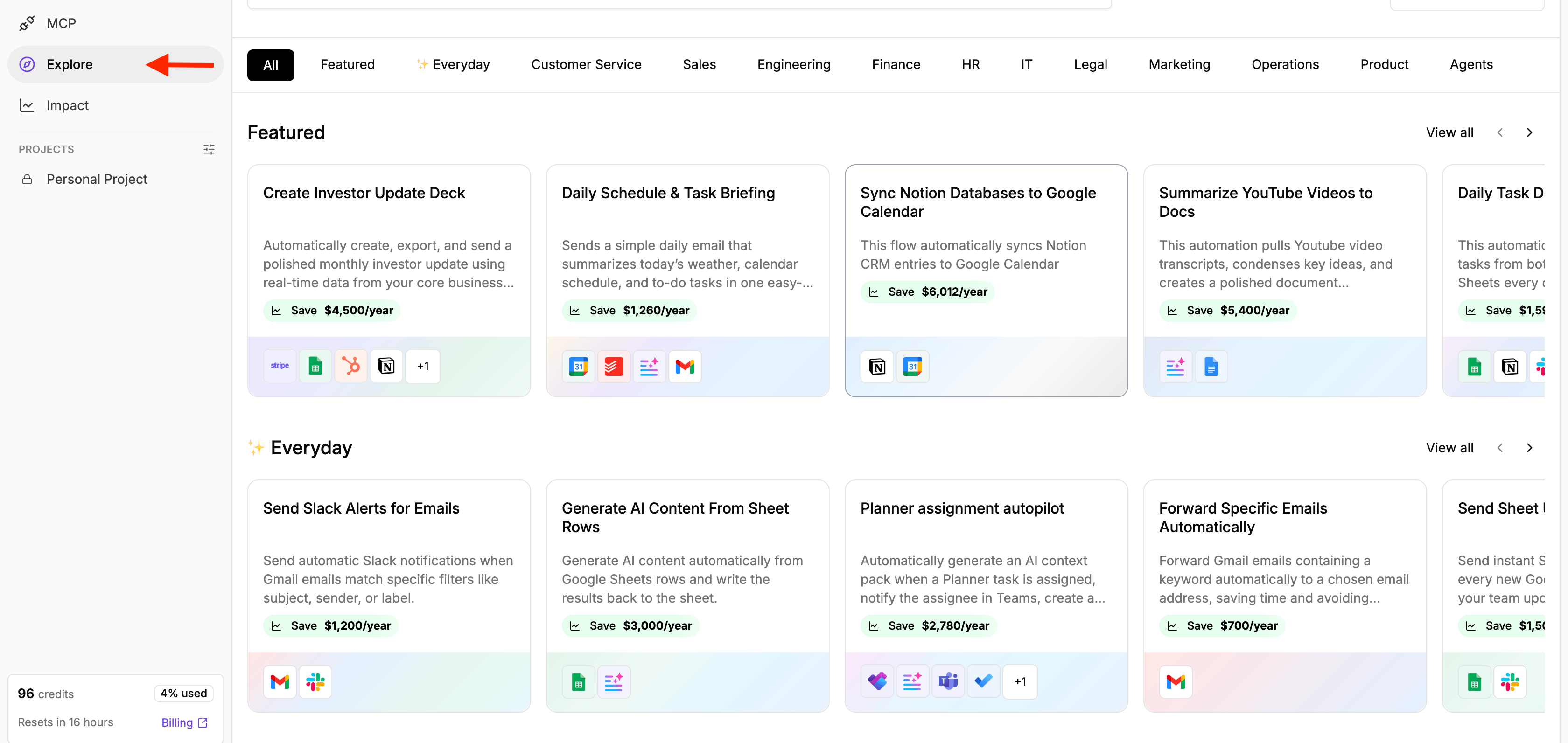
Practical advice: model AI-heavy flows with and without BYOK before choosing a plan, and watch the credit meter in the sidebar (the docs screenshot shows a "96 credits, 4% used, resets in 16 hours" meter). The Free plan lists MCP and API access, and the Embed offer is for putting the builder in your own product.
Strong self-hosting and governance story, an honest "SOC 2 in progress", and an audit log that skips some agent actions.
| Control | What Activepieces says |
|---|---|
| Compliance | "Our SOC 2 program is in progress, so we will not claim a certification we do not hold yet." Penetration test summary, DPA and sub-processor list available on request |
| Data location | Encrypted in transit and at rest; choose EU cloud (Frankfurt), another region on request, or your own servers; fully air-gapped is supported |
| Access control | SSO and standard roles on Team; SCIM and custom RBAC on Ultimate; Okta, Entra and JumpCloud guides in the docs |
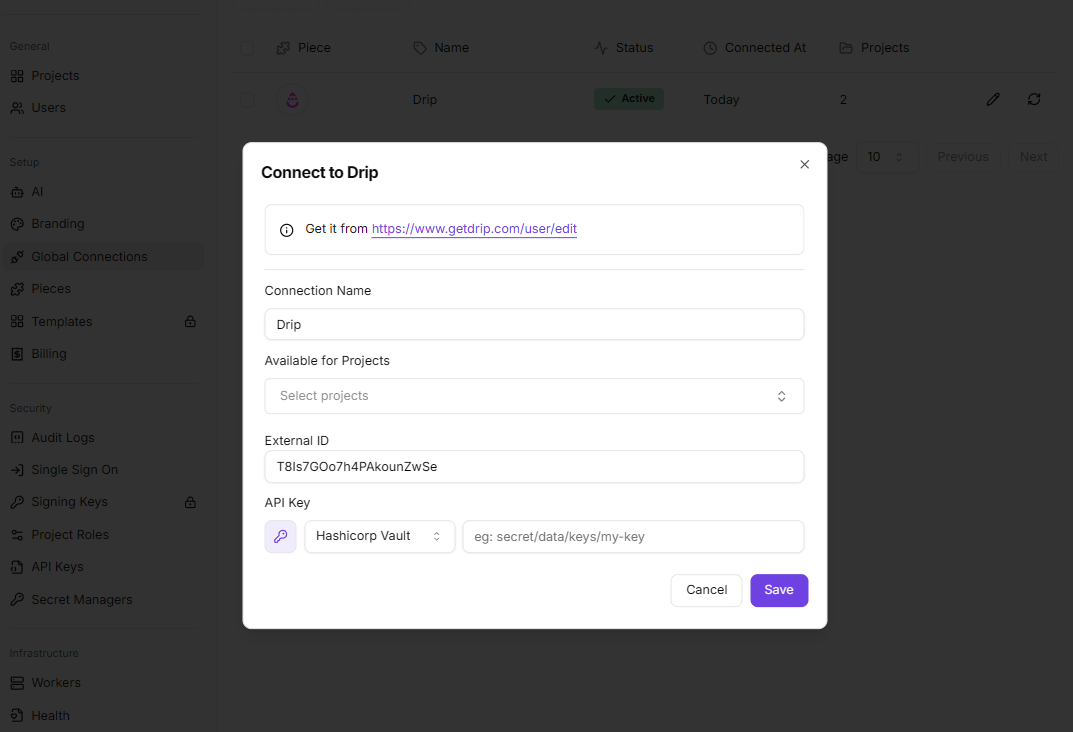
| Secrets | Credentials can stay in your own vault (for example HashiCorp Vault); Ultimate feature |
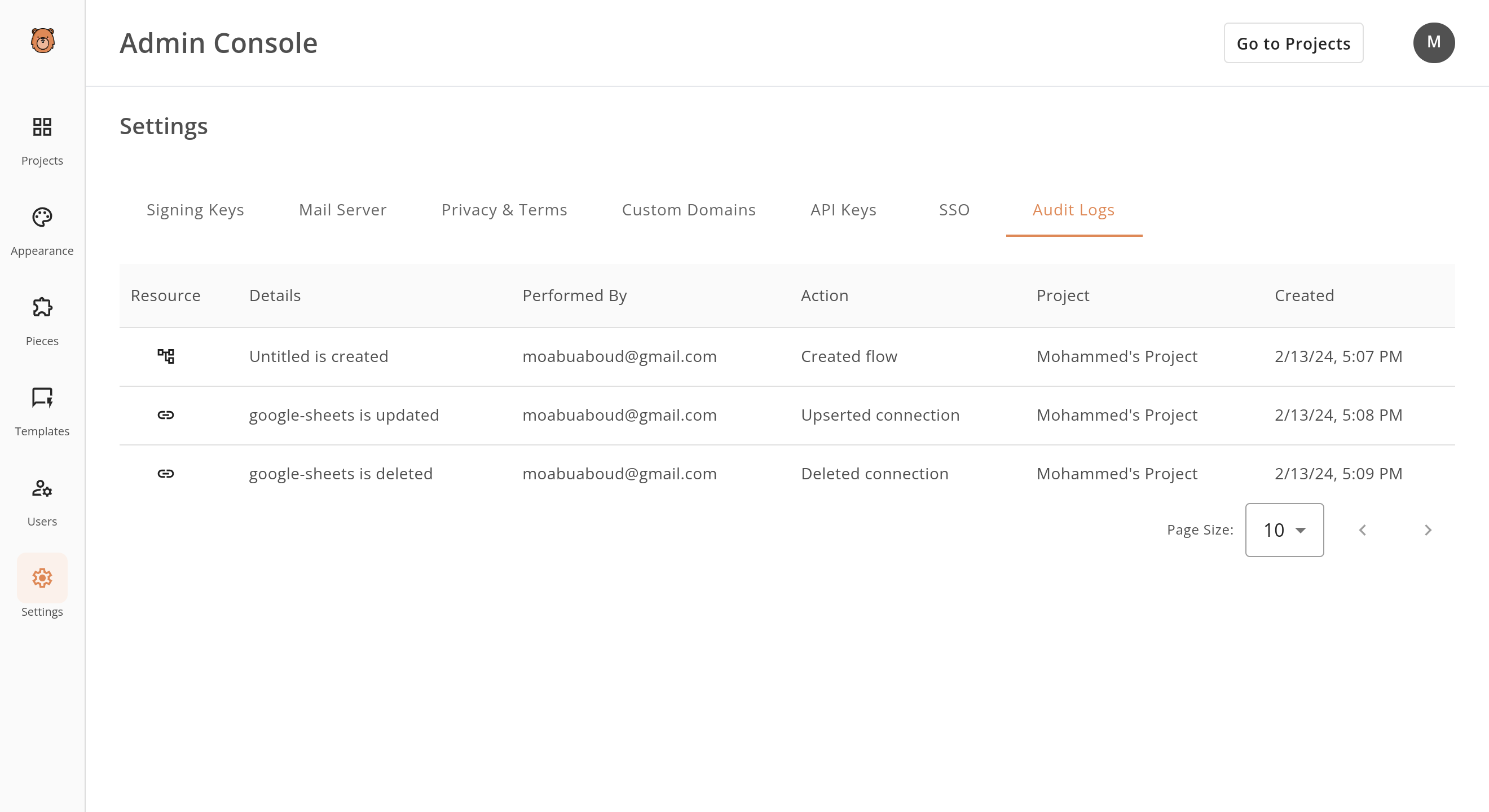
| Audit logs | Ultimate. Piece actions are logged (not reads); flow-tool calls logged; MCP server tools, agent-written code and agent-sent email are NOT logged. Values passed to actions are never stored |
| Publishing gate | Flow approvals for Sensitive projects; Enterprise or Cloud with the Environments plan |
| Network protection | STRICT mode with an allow list is opt-in today and planned to become the default |
| Execution isolation | Docs claim one flow cannot read another flow's code, memory, environment or files; I did not test this |
| Agents changing themselves | An agent declines to edit its own instructions in the same message where it read external content, because that content could have steered it |
Best for teams that want open-source control of their automation data, with AI as an add-on.
| Situation | Why Activepieces fits | Likely plan |
|---|---|---|
| Solo builder or tinkerer | Free cloud plan or the MIT self-hosted Community Edition | Free or self-host |
| Small team automating daily with AI steps | Flat $20 with BYOK to keep AI steps at 1 credit | Plus |
| Several departments sharing connections | Unlimited projects, SSO, global connections, 25 users | Team |
| Regulated or government team with data-residency needs | Self-hosted or air-gapped, own secret manager, EU cloud option | Ultimate or self-hosted with a licence |
| SaaS company that wants a flow builder inside its product | White-label builder, one SDK, your own pieces | Embed (from $36k a year) |
| Developer who wants to write integrations in TypeScript | Open piece framework, npm distribution, hot reload for local development | Any, self-hosted |
| Team that needs a SOC 2 report today | Programme is in progress | Check alternatives |
Six real gaps, not manufactured ones.
A frontier AI step is 20 credits versus 1 for a plain run, so AI-heavy flows can leave Plus quickly. BYOK fixes it but moves the bill to your provider.
Trustpilot reviewers describe being moved to new pricing without notice, and the plans today are credit-based. Expect further change and watch the pricing page.
The plan table says Free credits reset daily; the FAQ says both "each month" and "the next day". Free is one user only.
The company says its programme is in progress. Enterprise buyers who need a report cannot have one today.
MCP tool calls, agent-written code and agent-sent email are not in the audit log, and the log is an Ultimate feature.
You operate Postgres, Redis, S3 and workers, and read breaking-changes notes on upgrade. Community Edition also lacks the enterprise features and, per the FAQ, Agents and Chat.
Also: the README is out of date (200+ pieces versus 760+ on the site), some docs screenshots show an older UI, and the catalogue is smaller than Zapier's, a point Product Hunt reviewers raise too.
Activepieces is best for open, self-hostable automation. Others win on catalogue size, polish or developer ergonomics.
| If you mostly need... | Compare Activepieces with... |
|---|---|
| The other major open, self-hostable platform | n8n review |
| The biggest app catalogue and the classic trigger-and-action model | Zapier review |
| A visual scenario builder with low entry pricing | Make review |
| Developer infrastructure for hosted integrations in your product | Pipedream review |
| Code-first agent frameworks | LangGraph review and CrewAI review |
| Understanding MCP before wiring your AI client | Claude MCP and Connectors guide |
| Entry paid point (verified Oct 3, 2026) | Activepieces | Zapier (per JAVIS review) | Make (per JAVIS review) |
|---|---|---|---|
| Cheapest paid plan | Plus $20/mo flat, 10,000 credits, up to 5 users | Professional $19.99/mo billed annually | Core $9/mo |
| Free option | Free: 1,000 credits, one user; or self-host MIT core | Free plan | Free plan |
| Self-host the core free | Yes (MIT); enterprise features need a licence | Not covered in this review | Not covered in this review |
No affiliate relationship shapes this review.
JAVIS has not established a publisher affiliate program with Activepieces. Every CTA in this article points to the official product. If that changes, the review's facts, limitations and alternatives will not.
Go to the official page.
Open ActivepiecesRead the alternative that matches your real question.
Choose the next articleActivepieces sits between a no-code builder and an open developer platform.
Every card below links to a published JAVIS article.



Questions people are actually searching right now
Is Activepieces free?
Yes in two ways. The cloud Free plan is $0 with no card and 1,000 credits for one user. The Community Edition is MIT-licensed and free to self-host, though enterprise features need a licence. Verified on activepieces.com/pricing, the license page and GitHub, Oct 3, 2026.
How much does Activepieces cost in October 2026?
Plus is $20 a month flat (10,000 credits, up to 5 users), Team is $200 flat (50,000 credits, 25 users, SSO), Ultimate is custom and Embed starts from $36,000 a year. Overage is $0.007 per credit. The page also advertises "from $16 per month" for annual billing.
Is Activepieces open source?
The core is released under the MIT licence. Files under the enterprise directories are under a separate commercial licence, which is why GitHub shows the licence as unspecified.
How do credits work?
A run is one credit however many steps it has. AI steps add 2 (fast), 10 (smart) or 20 (frontier) credits, agentic actions are 1 each, and bringing your own AI provider keys on Plus and up drops each AI step to 1 credit.
Is Activepieces SOC 2 certified?
No. The pricing FAQ says its SOC 2 programme is in progress and that it will not claim a certification it does not hold. A penetration test summary and DPA are available on request.
Does Activepieces work with Claude and Cursor?
Yes. It has a built-in MCP server you can switch on per project, with OAuth sign-in, so clients such as Claude, Cursor, Windsurf, Gemini CLI, Zed and Copilot can build flows and manage tables. Agents can also call external MCP servers.
Can I self-host it?
Yes: a single container for personal use, Docker Compose with PostgreSQL and Redis, or Helm on Kubernetes. You operate the database, queue, storage and workers yourself and should read the breaking-changes page before upgrades.
What are the best Activepieces alternatives?
n8n for another self-hostable platform, Zapier or Make for hosted incumbents, Pipedream for developer plumbing. See the alternatives table.
Where this came from, and when it was checked.
Pricing and plans: activepieces.com/pricing, checked Oct 3, 2026 including its FAQ data; the annual price is rendered client-side and was not read.
Product: activepieces.com homepage; docs.activepieces.com docs index and the Welcome, Agents, Agent Tools, MCP Server, Flow Approvals, Enterprise Control, License and Changelog pages plus install and architecture pages; GitHub README, LICENSE and packages license notes.
Open-source data: GitHub data for activepieces/activepieces on Oct 3, 2026 (24,874 stars, 4,291 forks, license reported as NOASSERTION because of the dual licence, contributor-page count 357, latest release 0.92.1 published Sep 30, 2026).
Security: pricing FAQ and docs pages (vendor statements; no certification report exists to read).
Market: Hacker News items 34723989 (231 points, 62 comments), 43556900 and 44435189; Product Hunt (5.0, 7 reviews, 418 followers).
Real users: Trustpilot activepieces.com (4.3, 131 reviews, star split 88, 8, 2, 0 and 2 percent for 5 to 1 stars); displayed score and arithmetic average of the split (about 4.8) differ because TrustScore is Trustpilot's weighted figure. Product Hunt; Hacker News. G2 and Reddit were not readable and are not cited.
Alternatives and prices: live JAVIS reviews of n8n, Zapier, Make, Pipedream, LangGraph and CrewAI.
Official videos: youtube.com/watch?v=8ExraM9WLb8; author "Activepieces" confirmed on YouTube.
Research method: every fact was read directly from official pages, docs, public APIs and community APIs.
JAVIS Fit Score (79/100): editorial composite, not a benchmark: open-source core and self-hosting flexibility (strong), breadth of open pieces and MCP support (strong), governance and control features (strong), documentation and transparency incl. postmortems (strong), credit pricing complexity and AI-step multipliers (weak), no SOC 2 yet and audit-log gaps for agents (weak), pricing-change sentiment and small managed catalogue (mixed). Weighted by judgement; no automated test was run.