
Gemini CLI Review 2026: What's Left After Google Pushed Everyone Toward Antigravity?
Correction, Oct 4, 2026: an earlier version of the FAQ said Gemini Code Assist still has a $0 Individual tier; free use through Code Assist for individuals stopped on June 18, 2026, per Google's developer blog.
Gemini CLI launched in June 2025 promising 1,000 free requests a day with just a personal Google login. On May 19, 2026, at I/O, Google told developers to move to a new, closed-source tool called Antigravity CLI instead — and on June 18, 2026, it cut off free personal-account access to the original CLI entirely. The open-source repo is still getting commits this week. The free ride that made it famous is officially over.

| Enterprise/paid access | Strong |
| Free/individual access | Weak (post-Jun 2026) |
| Open-source transparency | Excellent |
| Roadmap certainty | Mixed |
| MCP / extensibility | Strong |
Google didn't kill Gemini CLI. It just stopped inviting individuals to the free party.
"Gemini CLI proved the terminal could be an incredible interface for agentic tasks, but your needs shifted." — Google, official transition announcement
That's Google's own framing, and I think it undersells what actually happened. The open-source repo is real, still Apache-2.0, and still received commits this week. But the product that a hundred thousand developers starred on GitHub — free, personal-account, no credit card — was quietly handed off to a closed-source successor, and the community's reaction on Google's own GitHub discussion was about as blunt as reactions get: 301 thumbs-down out of 376 total reactions on the announcement itself. This review is about what's actually left, for whom, and whether it's still worth your time.
An open-source terminal agent, now mostly for people who already pay Google.
Gemini CLI is Google's open-source terminal agent (Apache-2.0, TypeScript, installable via npm/Homebrew/MacPorts) that reads your repo, edits files, runs shell commands, and calls out to Google Search for grounding — all from the command line, authenticated against your Gemini account or API key. It shares its "Agent Skills, Hooks, Subagents, and Extensions" architecture with Google's newer Antigravity platform.
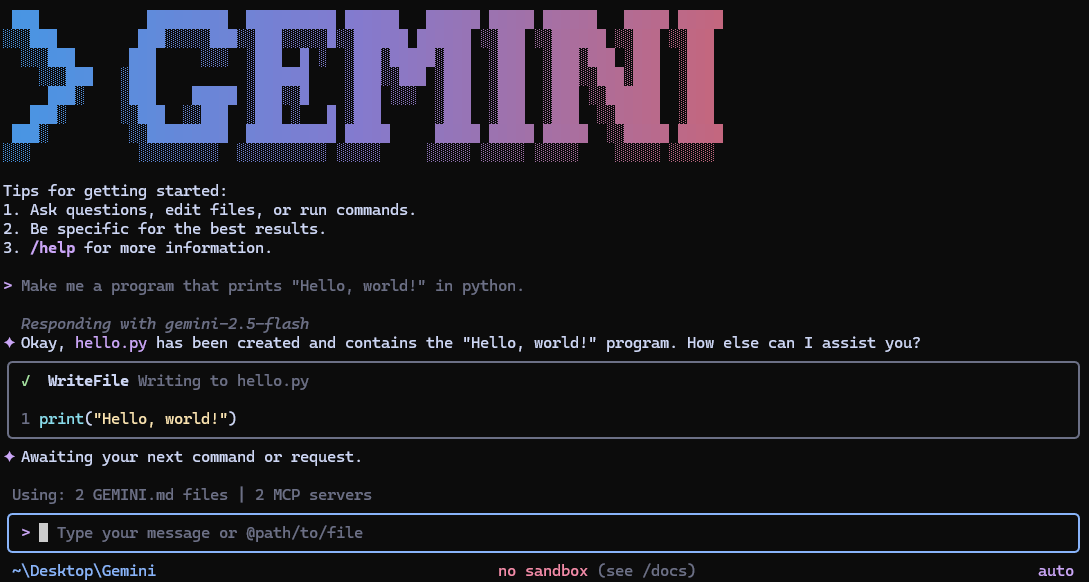
The practical takeaway: if your organization already pays Google for Workspace/Cloud seats or an API budget, Gemini CLI is unchanged and current. If you were the free, bring-your-own-Google-login user the project was famous for, Google's own blog says you're being routed to Antigravity CLI instead — a different, non-open-source tool.
Still one of the most-starred open-source coding agents — and the center of 2026's most-downvoted Google dev announcement.
Gemini CLI launched June 25, 2025 and grew fast: 107,102 GitHub stars and 14,609 forks as of this review, with commits as recent as Sep 18, 2026 — the project is not abandoned. But its role changed dramatically after Google's I/O 2026 announcement folded the free consumer experience into Antigravity, a separate, agent-first IDE platform built around Gemini 3.
Live GitHub count, checked Sep 21, 2026.
Live GitHub count, checked Sep 21, 2026.
GitHub Discussion #27274, official maintainer post, checked Sep 21, 2026.
Same discussion thread, checked Sep 21, 2026.
| Milestone | Date | What changed |
|---|---|---|
| Gemini CLI launched | Jun 25, 2025 | Open source, free tier via personal Google login, Gemini 2.5 Pro |
| Gemini 3 launch | Late 2025 | 1M-token context, stronger agentic reasoning |
| Google Antigravity announced | Nov 2025 | New agent-first IDE built around Gemini 3 |
| Antigravity CLI announced at I/O 2026 | May 19, 2026 | Go-based successor, available to everyone immediately |
| Gemini CLI free personal-account access ends | Jun 18, 2026 | Google AI Pro/Ultra + free Code Assist Individual cut off |
| Gemini Code Assist for GitHub, new installs | Jun 18, 2026 | No new installs; existing requests wind down over following weeks |
One genuinely confusing wrinkle I found during this review: the live google-gemini/gemini-cli README (checked Sep 21, 2026) still advertises "Free tier: 60 requests/min and 1,000 requests/day with personal Google account" — language that predates the cutoff and, per Google's own blog and multiple independent reports, no longer reflects how the product actually works for that access path. I'm flagging this discrepancy rather than resolving it in Google's favor.
The loudest thing developers said about Gemini CLI in 2026 was about losing it.
I read the top-level maintainer announcement and the reaction data on Google's own GitHub discussion, plus independent coverage of the transition, and kept the reaction data separate from general product sentiment.
Of 376 total reactions on Google's own transition announcement, 301 were "thumbs down" and 37 were "confused" — against just 6 "thumbs up." That is about as unambiguous as community sentiment gets on a single post.
Multiple independent write-ups describe the core complaint as: Antigravity CLI "is not published as an open-source replacement" for a tool developers specifically valued for being open source and self-auditable.
Developers migrating to Antigravity CLI's free tier report a "free ceiling in the low tens of requests per day" — a steep drop from Gemini CLI's advertised ~1,000/day, pushing many toward a paid Gemini API key instead.
Five doors in. Three of them require you (or your employer) to already be a Google customer.
Personal login
Was 1,000 req/day.
- Stopped serving Jun 18, 2026
- Redirected to Antigravity CLI
Gemini API key
Small free quota, then pay-per-token.
- Gemini 3 Flash free tier only
- Pro models require billing
Code Assist Standard
Annual; $22.80 monthly.
- 1,500 requests/day
- Keeps working, unaffected by cutoff
Code Assist Enterprise
Annual; $54 monthly.
- 2,000 requests/day
- Admin/governance controls
Antigravity CLI
Closed source, Go-based.
- Google's recommended path for individuals now
- Reduced free ceiling vs. old Gemini CLI
Sources: developers.googleblog.com (transition terms), codeassist.google (Standard/Enterprise pricing), cross-checked pricing trackers (API token rates), verified Sep 21, 2026.
Your access path depends on who's paying, not what you'd prefer.
Try Antigravity CLI's free tier first — Gemini CLI's free path is gone.
A Gemini API key with billing enabled, used inside Gemini CLI, still works today.
Gemini Code Assist Standard ($19/user/mo) is the honest starting point.
Enterprise ($45/user/mo) adds capacity and governance.
Gemini CLI (paid-tier) still qualifies; Antigravity CLI does not.
The model got much better right as the free door narrowed.
Gemini CLI's current model line runs on Gemini 3, with Gemini 3.1 Pro as the frontier option: a 1M-token context window, "improved reasoning," and multimodal input support built for exactly the kind of large-repo, multi-step agentic work Gemini CLI is designed to do. On the API, Gemini 3.1 Pro is priced at $2.00/1M input and $12.00/1M output tokens for prompts up to 200K tokens, rising to $4.00/1M input and $18.00/1M output beyond that — a real cost to weigh against the now-gone free tier.
What that means in daily use: a 1M-token context window lets Gemini CLI hold a genuinely large codebase in view at once, and Google Search grounding built into the tool means it can pull in current documentation rather than working from training data alone. The trade-off is that this capability now sits mostly behind paid Code Assist seats or a metered API key, not a free personal login.
- 1M-token context handles large repos other tools choke on.
- Built-in Google Search grounding for current docs, not just training data.
- Genuinely open source (Apache-2.0) when accessed through a paid path.
- MCP + Extensions give it real integration depth.
- Free/individual access is effectively gone as of June 2026.
- The README's own free-tier claim is now out of date and misleading.
- Google's roadmap priority has visibly shifted to Antigravity, not this CLI.
- "1:1 feature parity" with the successor was explicitly not promised by Google.
Official Google for Developers video covering Gemini CLI extensions and related developer tooling news.
Same agent loop as any terminal coding agent — the approval step is what keeps it safe.
Gemini CLI is fast to get a first pass out of. The approval-gate step is where you decide whether "fast" also means "safe" — YOLO mode without sandboxing is the one combination I'd actively avoid.
Extensions are the most autonomous part — and now also the bridge to Antigravity.
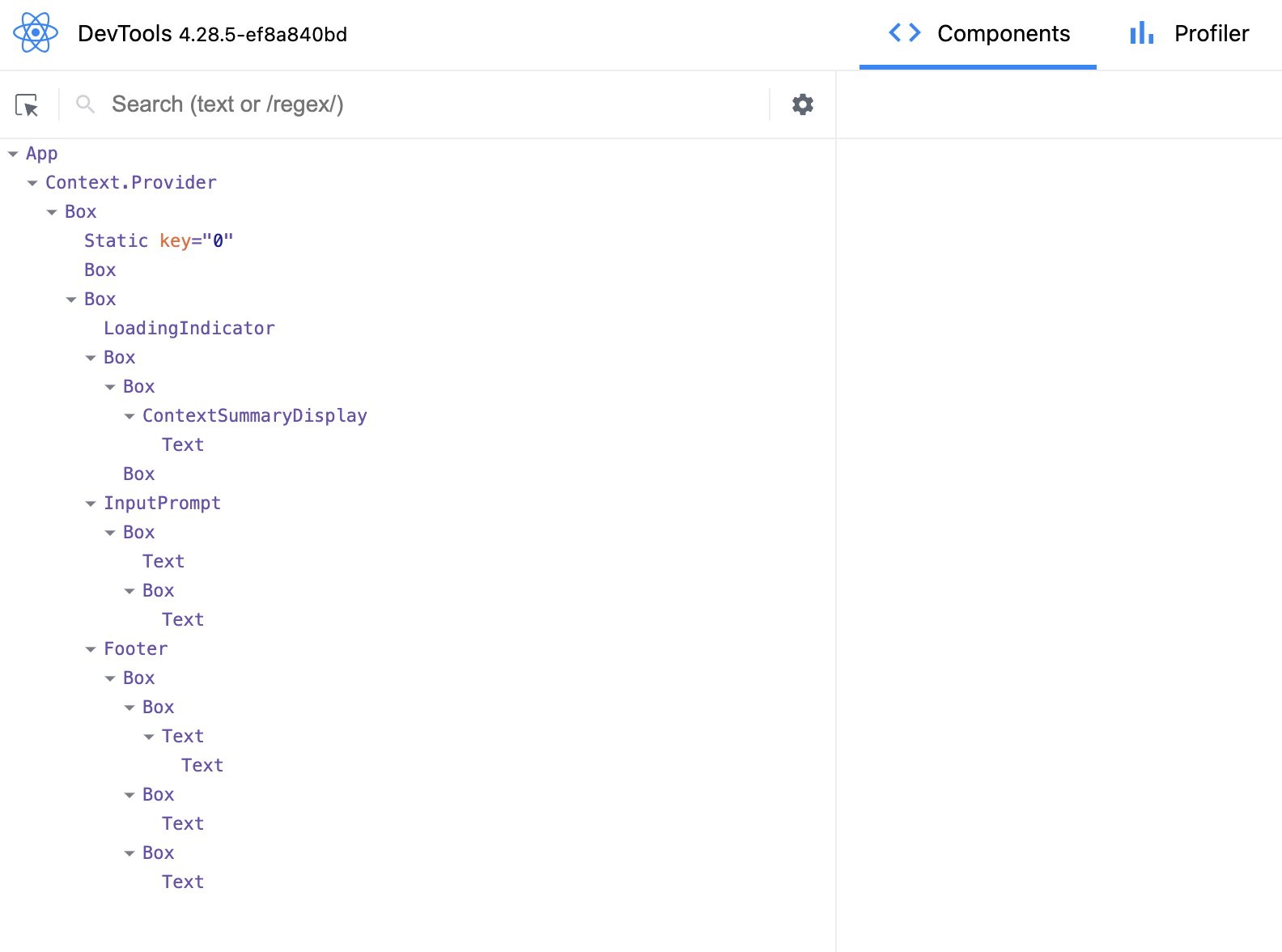
Gemini CLI supports Extensions for packaging tools, prompts, and MCP servers together, and Google's own transition post confirms these carry forward conceptually as "Antigravity plugins" in the successor platform. Subagents and Hooks let you compose multi-step automations rather than one-shot prompts.
- Sandboxed shell commands via the built-in Docker-based sandbox
- Read/grounding tasks (docs lookup, repo Q&A)
- Auto-approved edits inside a disposable branch
- MCP-connected read-only tools
- YOLO mode outside a sandbox, on a real repo
- Anything touching cloud infrastructure credentials
- Unattended runs without checkpoints
- Production deploys triggered directly from the CLI
MCP support is one of the few things the transition didn't touch.
Gemini CLI has native Model Context Protocol support for connecting external tools and data sources, configured alongside its Extensions system. This is one of the "critical things people loved about Gemini CLI" that Google explicitly said it preserved going into Antigravity CLI, alongside Agent Skills, Hooks, and Subagents.
Three different bills, depending on which door you walked through.
Gemini CLI's cost now depends entirely on the access path: a personal Gemini API key bills per token once you're past the small free quota; a Google Workspace/Cloud organization pays per-seat for Code Assist; and enterprises using the Gemini Enterprise Agent Platform pay under that separate agreement.
| Access path | What you pay for |
|---|---|
| Gemini API key, Gemini 3 Flash | Free tier: 10 req/min, 250K tokens/min, 1,500 req/day |
| Gemini API key, Gemini 3.1 Pro | $2.00/$12.00 per 1M tokens (in/out, ≤200K context); $4.00/$18.00 beyond 200K |
| Gemini Code Assist Standard/Enterprise | $19–$54/user/month depending on tier and billing term |
| Vertex AI | Express Mode free trial (90 days), then dynamic shared quota or provisioned throughput billing |
The sandbox and approval mode are the real safety controls — YOLO mode is a loaded gun.
Gemini CLI runs shell commands, file edits, and network access through a permission check by default, with three approval modes: default (prompt every tool call), auto_edit (auto-approve edits, still prompt for commands), and yolo (auto-approve everything — toggle with Ctrl+Y mid-session). A built-in sandbox, based on a prebuilt gemini-cli-sandbox Docker image, is automatically enabled whenever YOLO mode is on, isolating what the agent can touch.
| Approval mode | Behavior | Sandbox status | Risk level |
|---|---|---|---|
default | Prompts before every tool call | Optional | Low |
auto_edit | Auto-approves file edits; still prompts for shell commands | Optional | Medium |
yolo | Auto-approves everything, no prompts | Auto-enabled (Docker-based gemini-cli-sandbox) | High outside sandbox; contained inside it |
For teams, Gemini Code Assist Standard/Enterprise adds admin-level controls through Google Workspace/Cloud identity, which is a materially different trust boundary than the old anonymous personal-login flow — one upside of the paid-only shift, even for developers who otherwise resent it.
Post-transition, this is squarely an organization's tool again.
| Work pattern | Why Gemini CLI fits | Likely access path |
|---|---|---|
| Solo developer, occasional use | Small free API quota covers light usage | Gemini API key |
| Team already on Google Workspace/Cloud | Unaffected by the June 2026 cutoff | Code Assist Standard |
| Org needing governance + higher limits | Admin controls, 2,000 req/day | Code Assist Enterprise |
| Developer who specifically wants open source | Still the only Apache-2.0 option in Google's line-up | Any paid path, self-audited |
| Individual wanting a free ride like 2025 | Not the fit anymore — that's Antigravity CLI's job now | Antigravity CLI (closed source) |
The product is fine. The transition was handled roughly.
The single biggest reason people adopted Gemini CLI in 2025 — a generous free personal-login tier — stopped serving requests on June 18, 2026.
The live GitHub README still advertises the old free-tier numbers as of this review, which will actively mislead new users who don't dig further.
Antigravity CLI, the tool Google is steering free users toward, does not ship its source — a real regression for a community that specifically valued auditability.
Google explicitly said Antigravity CLI won't have "1:1 feature parity right out of the gate" with Gemini CLI — a rough migration for anyone depending on a specific workflow.
If the free door closed on you, here's where else to look.
| If you mostly need... | I'd compare Gemini CLI with... |
|---|---|
| Google's own free-tier successor, closed source | Antigravity CLI (antigravity.google) |
| A terminal agent bundled with a general-purpose paid subscription | OpenAI Codex — read our Codex review |
| A fully open-source, bring-your-own-model pair-programmer with zero vendor lock-in | Aider — read our Aider review |
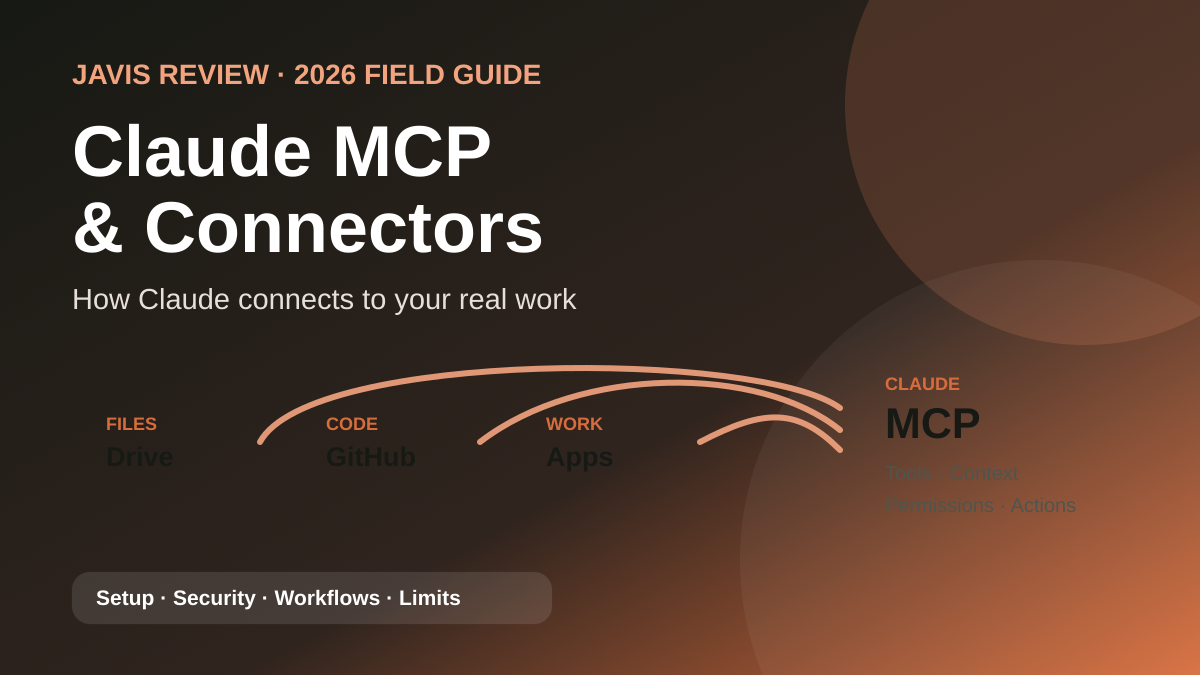
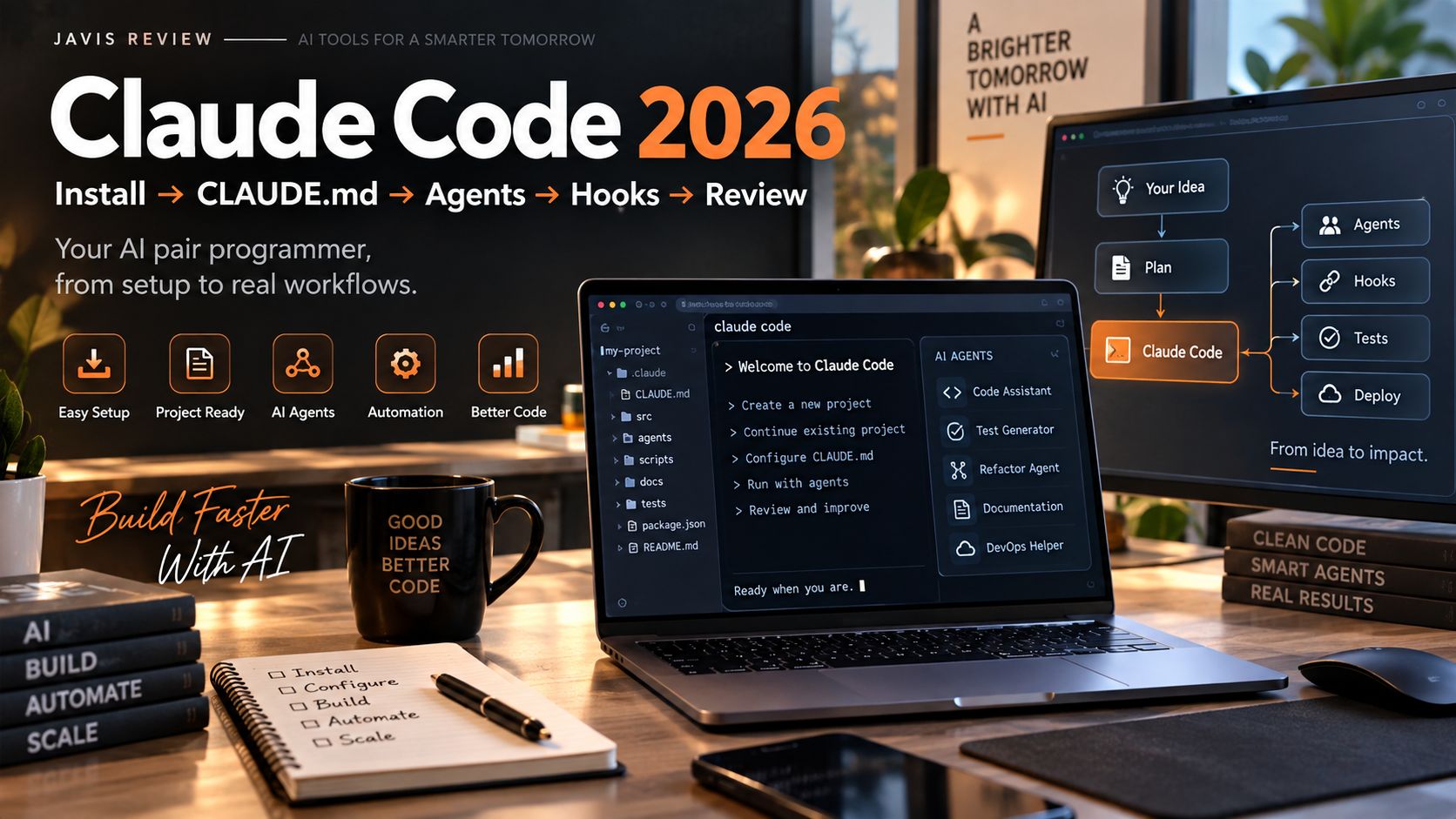
| A terminal agent bundled with a Claude subscription | Claude Code — read our Claude Code guide |
| The most widely deployed IDE-native assistant | GitHub Copilot |
I don't have an affiliate reason to soften this review.
At the time of this review, JAVIS has not established a publisher affiliate program with Google. Every CTA in this article points to Google's official properties.
Go to the official repository.
Open Gemini CLIRead the alternative that matches your real question.
Choose the next articleCoding-agent reviews only make sense read next to each other.
Gemini CLI, Codex, and Aider are worth reading together because they represent three different bets on how much you should pay, and to whom, for an AI pair programmer. These are the pages I'd read next.
Questions worth answering before you rely on this
Is Gemini CLI still free?
Not for the personal-Google-login path that made it popular — Google stopped serving those requests on June 18, 2026. A small free tier still exists for the Gemini API key path (Flash models only); free use through Gemini Code Assist for individuals also stopped on June 18, 2026, so the classic "sign in and go" free CLI experience is gone.
Is Gemini CLI still open source?
Yes — the CLI itself remains Apache-2.0 licensed at github.com/google-gemini/gemini-cli and is still receiving commits. What changed is who can access it for free, not its license.
What is Antigravity CLI?
Google's Go-based successor tool, announced May 19, 2026 at I/O, positioned as the new default for individual/free users. Unlike Gemini CLI, it is not published as open source.
Does Gemini CLI support MCP?
Yes, natively, alongside its Extensions, Hooks, and Subagents system — one of the features Google explicitly said carries forward into Antigravity CLI as "Antigravity plugins."
What model does Gemini CLI use?
Gemini 3, with Gemini 3.1 Pro as the frontier option (1M-token context). This changes often — check the in-CLI model picker for the current default.
Is my organization affected by the June 2026 cutoff?
Only if you were using a personal Google account, Google AI Pro/Ultra subscription, or the free Gemini Code Assist Individual tier. Organizations on Gemini Code Assist Standard/Enterprise or Google Cloud/Vertex AI were explicitly unaffected.
Should I migrate to Antigravity CLI?
If you want Google's actively-promoted free path and don't need open-source code, yes. If open-source auditability matters to you, a paid Gemini CLI access path (API key or Code Assist) is the only option that preserves it.
Is Gemini CLI better than Claude Code or Codex?
That depends entirely on which access path you're comparing — Gemini CLI's 1M-token context and Search grounding are genuine strengths, but it no longer has a comparably generous free tier to either competitor.
Where this came from, and when it was checked.
Product README, features, screenshot: raw.githubusercontent.com/google-gemini/gemini-cli/main/README.md, read directly, Sep 21, 2026.
Antigravity CLI transition, exact dates and terms: developers.googleblog.com/an-important-update-transitioning-gemini-cli-to-antigravity-cli/, read directly (datePublished 2026-05-19), Sep 21, 2026.
Community reaction data (301 downvotes / 376 reactions, 231 comments): GitHub data for github.com/google-gemini/gemini-cli/discussions/27274, Sep 21, 2026.
GitHub stats (stars/forks/commit recency): GitHub data for github.com/google-gemini/gemini-cli, Sep 21, 2026.
Antigravity CLI repo nature (closed source, community-forum-only): api.github.com/repos/google-antigravity/antigravity-cli (language: null, no source), Sep 21, 2026.
Gemini Code Assist pricing ($0/$19-22.80/$45-54): codeassist.google, page text read directly, Sep 21, 2026.
Sandbox / approval modes (default/auto_edit/yolo, Docker sandbox): geminicli.com/docs/cli/sandbox/ and independent setup guides, cross-checked Sep 21, 2026.
Gemini 3.1 Pro API token pricing: two independent, mutually-agreeing token-pricing trackers; not directly confirmed on ai.google.dev's own page during this review (see API/Economics section for the explicit caveat).
Official video: youtube.com/@GoogleDevelopers, "Google Computer Use model, Gemini CLI extensions, and more!", authorship confirmed on YouTube.